

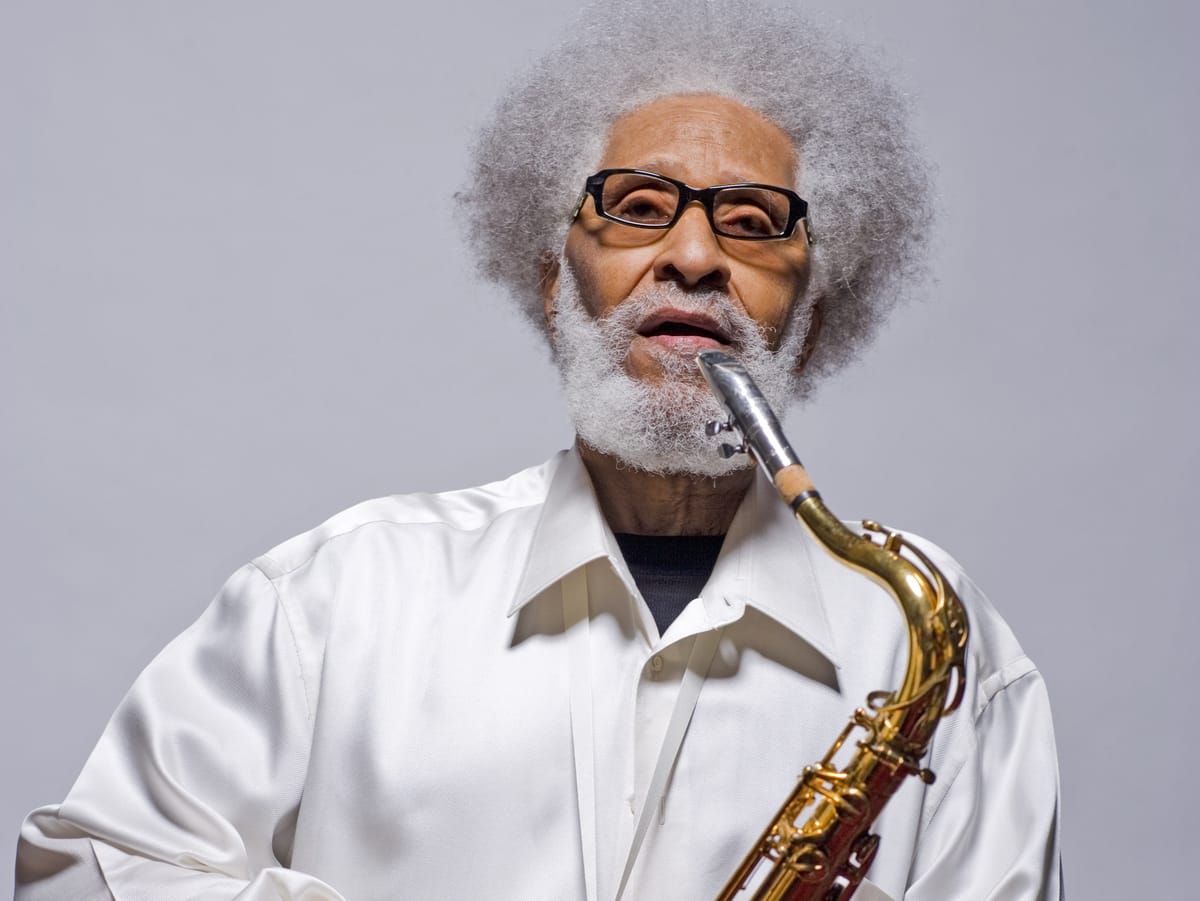
Jazz sax icon Sonny Rollins died in his home in Woodstock, New York on Monday afternoon, May 25.
A statement from the musician’s publicist announced the news, calling him “one of the most honored and influential figures in American music.” It did not give a cause of death.
The statement also contained a quote from Rollins himself: "I think when the creative person ends, he continues in the next existence. I’m a person who believes this life isn’t the be-all and end-all of everything. A spiritual person doesn’t feel like that."
Over his storied career, Rollins worked with everyone from Miles Davis to Charlie Parker to John Coltrane, and was widely considered the last surviving bebop legend. Across his 60 albums as bandleader, he received accolades including two Grammys and the National Medal of Arts from President Obama in 2011.
Born Walter Theodore Rollins in New York in 1930, he was nicknamed ‘Sonny’ by his grandmother. After his brother and sister took up violin and piano, respectively, Rollins began saxophone aged 7 after being more drawn to the music of pianist Fats Waller than classical music. He grew up in Harlem, just blocks away from where his saxophonist hero Coleman Hawkins lived.
He began his professional career in 1948 as a sideman to the likes of Fats Navarro, Bud Powell, and Babs Gonzales. Despite a short stint in Rikers Island for armed robbery and heroin possession, it didn’t take long for his career to take off, recording with stars including Miles Davis, Thelonious Monk, and Charlie Parker in the early 1950s, including writing famous tunes like "Oleo" and "Doxy" for Davis. He later joked about his incarceration as “the first of his many sabbaticals”.
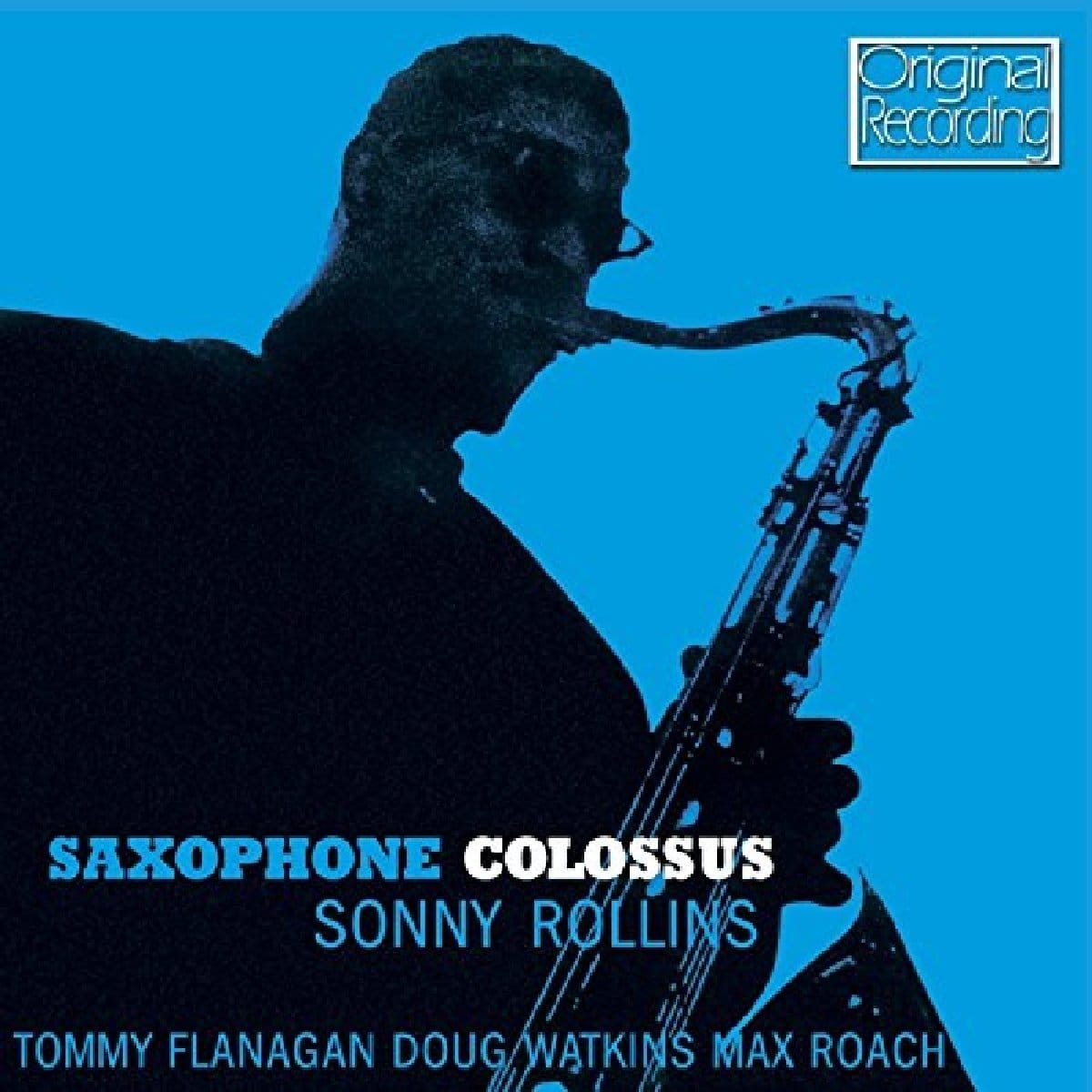
His most famous album, Saxophone Colossus, was released in 1956, cementing Rollins as one of the leading voices of hard bop and modern jazz. It was selected for preservation in the National Recording Registry by the Library of Congress in 2016.
From the summer of 1959 onwards, he began to play on Williamsburg Bridge in New York for up to fifteen hours a day for over two years. This led to one of his other most legendary albums, 1962’s The Bridge, regarded as one of his finest works.
He gave his last concert in 2012, being forced to retire two years later after a diagnosis of pulmonary fibrosis stopped him from playing. His wife Lucille, whom he married in 1965, died in 2004, and the couple had no children.

What do you think?
Show comments / Leave a comment