

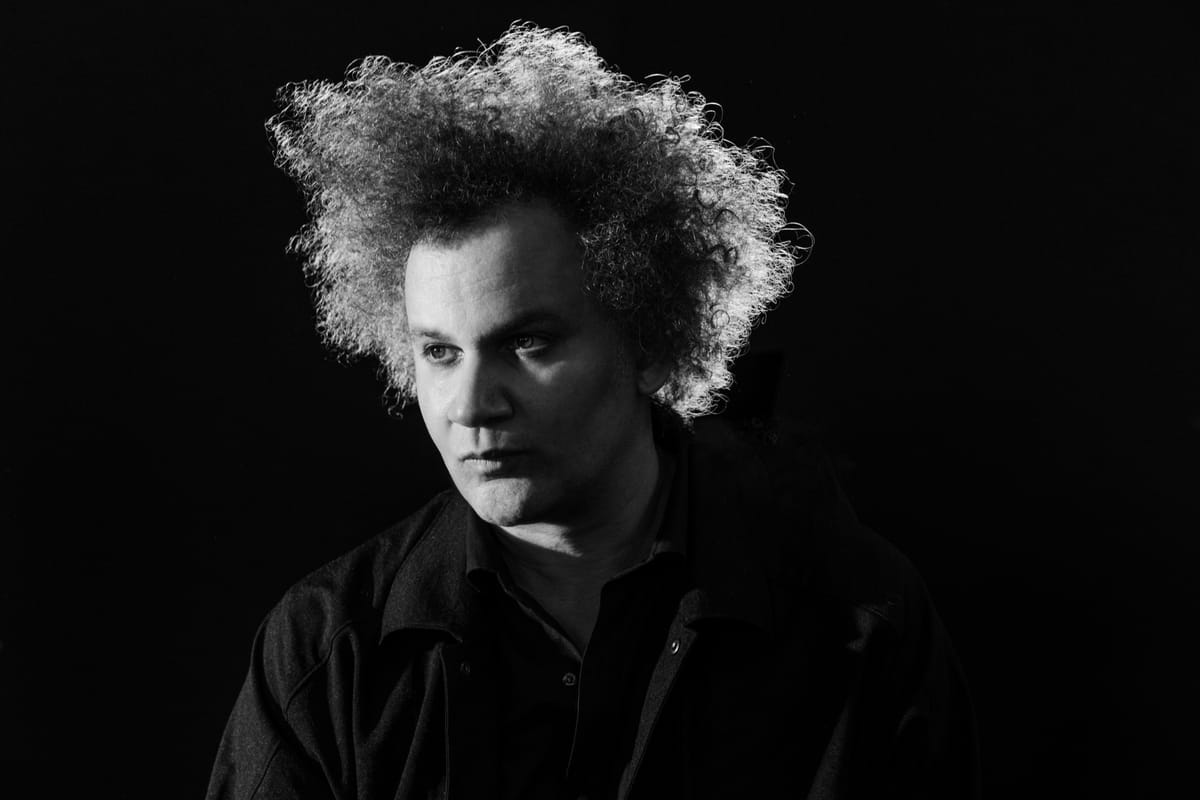
Electronic composer and producer Tyondai Braxton has been through it all. If you heard of his work either through the early years as one of the formative members of Battles, or from any of his orchestral pieces written for various ensembles, Braxton's music has crossed boundaries. And now, he's throwing all his tricks on display.
Tyondai Braxton's newest album, Splayed Werks, is out today, August 21st, via Erased Tapes. This marks his first full-length project since 2022's Telekinesis, a complete orchestral piece told in four movements, and takes a more exploratory approach to his IDM roots.
Across 70+ minutes and at 15 tracks, Braxton pushes across various sub-genres within indie electronic and ambient that explore the fullest range of his musical upbringing. But despite its length and with more than two-thirds of the tracklist running under five minutes, the diversity of sounds tells the complete vision of the album.
Splayed Werks is more of a snapshot and gathering of ideas of the producer's headspace, rather than an active seeking for a cohesive vision. With the earliest samples of the album dating back to 2018, time has been the biggest agent in fitting every piece together.
I spoke with Mr. Braxton about the latest album, the evolving creative process, his various endeavors into other genres, and how live experimentation coalesces into his new material.
This interview has been edited for length and clarity.
Jordan Goodman @ TND: So, the first time I saw you and actually heard your music was a few months ago when you opened for Oneohtrix Point Never at Pioneer Works. This was my first ever time hearing you and your performance, and I was just so blown away by everything you provided.
Tyondai Braxton: Glad you liked it. That was a fun show. Yeah, it was really a really special night; the audience was great. You know, Dan, Oneohtrix is great. I really love his new record a lot, actually, and it was a really nice pairing of music that night, and just the energy in the room was wonderful. So I had a blast that night.
I want to ask how this new project came into fruition for you, because what I remember from that specific performance is that you demoed some of the material from the album. I think it was the “UnFS” track I think you played. It might have been something else.
No, I did. It's funny. I did like variations on some of those tracks. Like the “UnFS” actually didn't do that night; I did use elements of that one and combined it with another track, but if I'm remembering correctly, I don't think I actually ended up working extensively with that track or presenting it. But that night was definitely me trying to figure out and experiment with presenting some of this new material. I have been, for the past year or so, playing some of these versions of these tracks, and that night was yet another sequence of variations. Just exploring the best way to present them, having fun, making real-time decisions, and navigating that material.
For this new project, you have a ton of ideas ranging from IDM to ambient to glitch to electroacoustic. It's really all over the place, and I love what I'm hearing. Where did the process for this new album start for you?
A combination of things. I mean, those different qualities you just mentioned, they all blur together. I'm not thinking about genre or anything like that. When I'm making stuff, you're kind of just like working with material and working with ideas and letting them develop. And it's the kind of record that you kind of realize what it is after the fact. You know what I mean? It's not the kind of thing where you're like, "I'm going to make a record that has this, this, this, and this." You're just making a bunch of things, and then suddenly you realize you have these things, you put them together, and that tells its own story.
I'm someone who has always been excited in working inside of electronic music and all the vastness of what that is. I also score music for ensembles and orchestras, as well as having been in bands and stuff before, and all those interests figure into this record, regardless of how you're working. Your interests just try to find ways to explore different kinds of music and different timbres manifest through this work. And all the history of the things that you've been interested in and are excited about end up being realized in whatever project you're doing next.
You mentioned that you don't know when the material is done until it's done, and you're often shocked at what the end goal is. I think from what you're explaining to me, it comes from years of experimenting, knowing what your influences are, and what you want to incorporate, and what you mentioned earlier, like playing elements of these live tracks. So, what kind of signifies when a track is finished or when the whole album's finished?
I mean, in some ways, you have this feeling of like... sometimes it could be like, “Oh, okay, I've arrived, like this thing is done.” Sometimes it's like, “Well, this is as done as I could ever make this. It isn't getting any more finished than what it is now.” And you kind of just come to that. It all goes back to one thing that I seek out in how I'm working: I want to be surprised about what I'm doing. I don't have a lot to plan. I know the material, I know the instruments I'm using. But as far as like the end result, you want to be a little surprised. So there's a level of disorientation that I seek throughout this whole process; I want to kind of be turned around. I want to be excited about an idea, but you don't really know what the thing actually is until it's actually fleshed out. So you want to be a little disoriented in your creative process. That's what I certainly am as I'm working on this stuff, which can be kind of confounding, but also that's the joy of it. That's the fun is like trying to understand what something is and working towards it.
When did you have the idea that you wanted to make this record a collection of your strengths, rather than go off like one idea? Or did it naturally come to you based on the creative process?
Good question. It's probably just like making things without putting the pressure on them of like what they are, where they belong, and just making and making, not thinking, and having fun putting things together, and letting what the results of these things you're working on almost tell you what it is. For instance, like I've never made a record this long. It's a pretty long record. It's a double vinyl album. It's about an hour and 15 minutes. It's a long record. I've never done anything close to that. I realize that a lot of these tracks are very short, for all of their kind of complexity as far as sound design and production and stuff. A lot of these tracks are pretty simple, in some ways. There's a simplicity to them.
And, for instance, I was like trying to put a record together out of just a few of them at first, and it felt a little limited to me. It wasn't really telling the whole story. And then I was like, “Okay, well, what if I just put most of them together and make a really long record? Can I do that? Will people even want to get through something like this?” You know, it is a longer ask. But then in doing so, it reveals like a a richer story by putting them all together and the variety between the tracks and the different dimension that it revealed made it exciting. That wasn't a plan at first, but that was revealed to me at the end, and I wouldn't have known to do that in the beginning. So that was a cool that was a fun revelation for me.
What would you say is the key difference when making this album compared to everything else you've made?
Well, you know, I've done a couple of other electronic records, and that's kind of like my base foundation way of working in some ways. In some ways, this record is simpler. I mean, it might not sound simpler, but I think in other records that I've done, I've always really pushed myself to grow and explore something that I didn't know, whether it's electronic music or production of some aspect of that that I didn't understand. I did a record before Splayed Works called Telekinesis. That's a really large orchestral work, and I really pushed myself to try to understand how to manage a piece of that size. With this, I think the joy was that I kind of understood the elements that I was going to work with, and that I wanted to play and have fun and not push so hard to grow, if that makes sense. I still learn so much by doing it, but I think the emphasis was more on fun as opposed to growth, and that is maybe something that's different.
At a certain point in your life, you just want to have fun and enjoy stuff. And I'll always use my creative outlets as a way to explore something I'm excited about and grow. But I'm also just I just want to have fun and enjoy what I'm doing. And maybe this record is maybe more focused on that than other records I've done in the past.
I definitely see that freeform quality throughout all these cuts on the album. There are parts of the project that do remind me of that live performance, and specifically how you communicate with the audience and the vibe of the room. Like, do I want to slide into an ambient passage first and then glide in, or do I want to start with straight IDM?
The thing is, you never know what the audience is craving. In some ways, you can only try to please yourself and hope that people go along with you. You know, it's always so hard to understand where people are. And for me, the joy is just trying to create some kind of sound-world that I feel is exciting enough to explore, and you hope people come along for the ride.
I guess it really is a case of time and experience healing the material because you pick up so much from whatever you learn just back into your music, whatever you add to from a performance, or what you gain listening to other music. I don't know if you listen to other music while you create stuff.
Not usually. Sometimes it is more of a binary thing. Like usually, when I'm really in production mode and creation mode, I'm usually not listening to music because I don't want to be pulled or influenced in some ways. You kind of want to be outputting, and then after outputting for a while, then you kind of take a break, and I'm listening a lot. So I listen to a lot of music, but it's usually the times when I'm taking a break from that the most is when I'm working on music, probably.
Have you been preparing for your new set of live shows? I know there's an upcoming album release show happening in Brooklyn.
Yeah. I have different iterations of some of the pieces that I'm kind of messing around with, trying to think of new ways of interacting with some of these pieces, and reimagining them in some ways, and what my role as a performer is on stage for some of these tracks, and just fine-tuning these kinds of things. I'll probably be evolving it and changing it throughout these shows and throughout the year; it's always fun to change one little thing or introduce an element that's a little new or uncomfortable that you have to adjust to. That's kind of the fun part of playing live.
Do you imagine going back to your orchestral side any time in the future?
Yeah. I mean, I always love that music in the same way that I love a lot of electronic music, and it's all kind of the same thing to me. I'm working on some stuff right now that is maybe more related to that, but it's still electronic. Like a lot of these things are so intertwined to me that they're almost two sides of the same coin. So, for sure, I still enjoy composing for ensembles, orchestras, and live performers.
I like the “two sides of the same coin” analogy where you get to experiment either for yourself or for other people, and then decide when you just want to lock in, putting all your effort and creating a cohesive piece. But I feel like on this record especially, you get a little bit of both, though more from the experimental and freeform side.
It’s funny. When you're working in a certain way for a very long time, you don't hear things in the same way. In a lot of ways, this music is so rhythmic and beat-driven that I'm like, "Oh, this is kind of like a dance record.” But every person I've shown it to is like, "No, that's not how I'm hearing it.” You know what I mean? You don't really have perspective on your own way of working. But I acknowledge that the record itself is the product of a lot of experimentation and trying ideas out and working in different ways that yield different results. So that's the that's the the fun. That's the fun of it.
Would you say new trends in technology or just new shifts in like the electronic scene itself had anything to do with creating this record and seeing how each piece evolves?
In some ways, technology is such a central part of electronic music. You almost can't talk about the music without talking about the technology and the tools. And that's what also kind of captures a particular era of time, just the tools that you're using at the time. I've been using synthesizers, modulars, and keyboards and stuff for a long time now. Each year there's some new approach to working in that way. And I work in Ableton and digital synthesis. So there's always some new tool that could come out and confound your process, or add to it in some way and make you curious about how you can kind of implement some of these ideas or tools into what you're doing. I mean, when it comes to working in electronic music, because technology is so tied to that way of working, there's an aspect of exploration. We're all kind of exploring, trying things out, and that kind of understanding is baked into the fabric of working in electronic music. There's always some new tool where I’m like, “How can I use that in this situation?” I’m building upon all the stuff that I know well after years of working like this. I'm a fan first and foremost, and to be able to like draw upon those things and have them manifest in your work is fun.
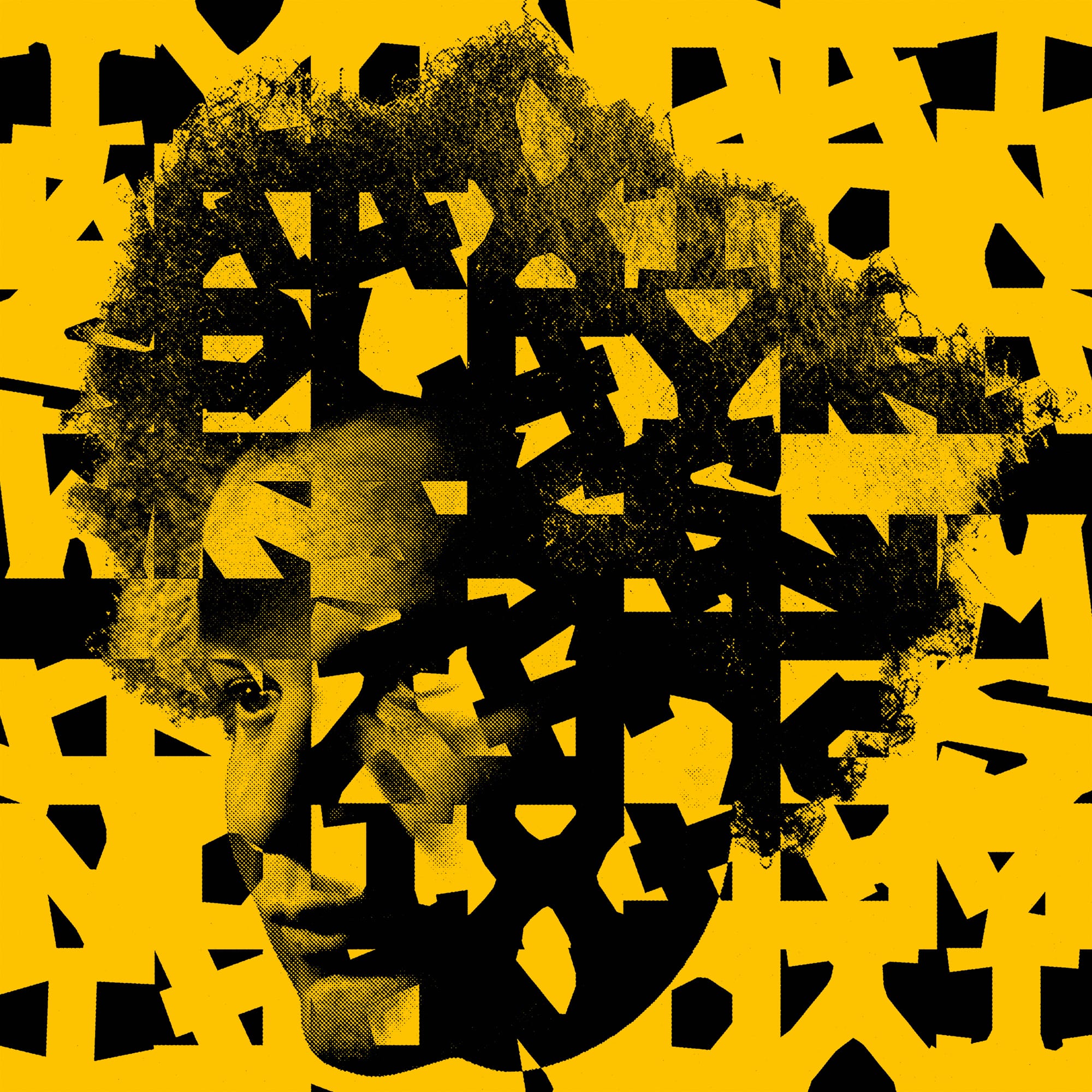
Tyondai Braxton's newest album, Splayed Werks, is out today, August 21st, via Erased Tapes. You can listen to the record here.

What do you think?
Show comments / Leave a comment