
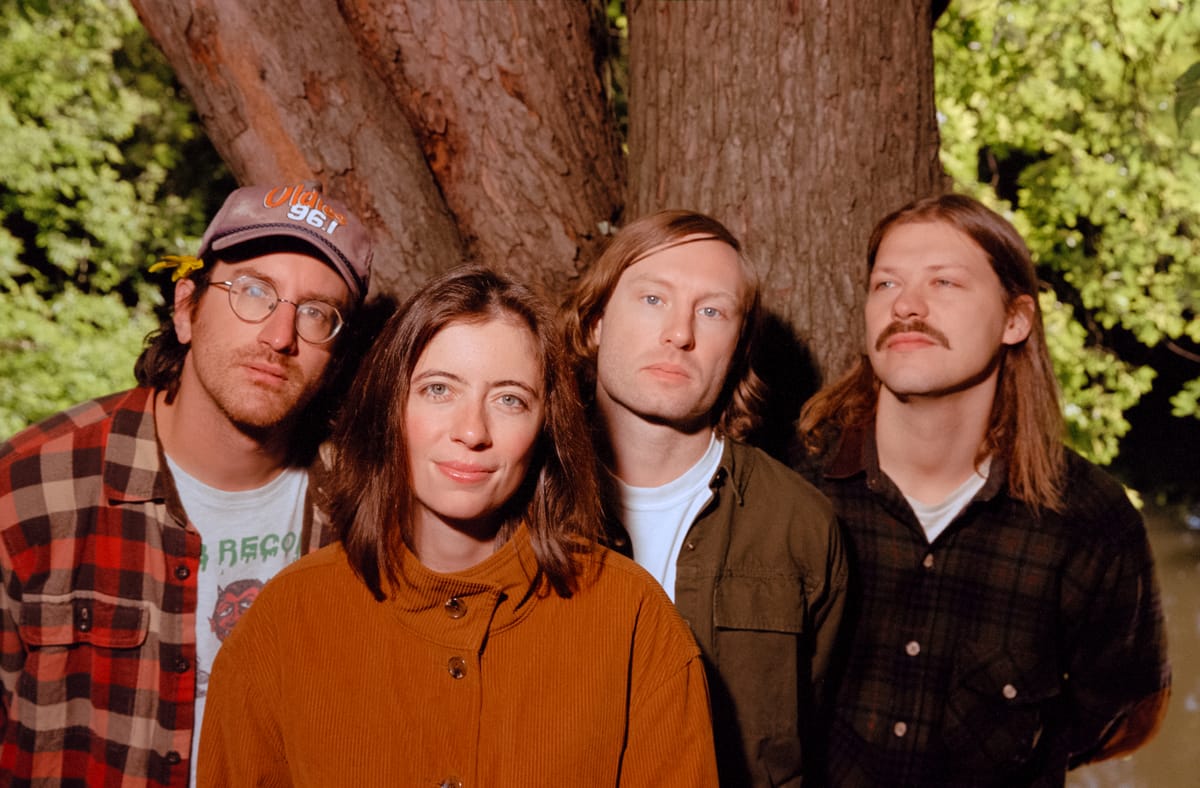
Ratboys are against generative AI.
In case you were curious, the twang-rock quartet of Julia Steiner (no relation to me, Andy Steiner), Dave Sagan, Marcus Nuccio, and Sean Neumann want nothing to do with AI-generated music. Not that this was ever called into question. Ratboys have had no run-ins with AI-related controversy and no interest in useless slop. There is zero doubt about the humanity coursing through the band’s bleeding-heart, road-trip-primed indie rock.
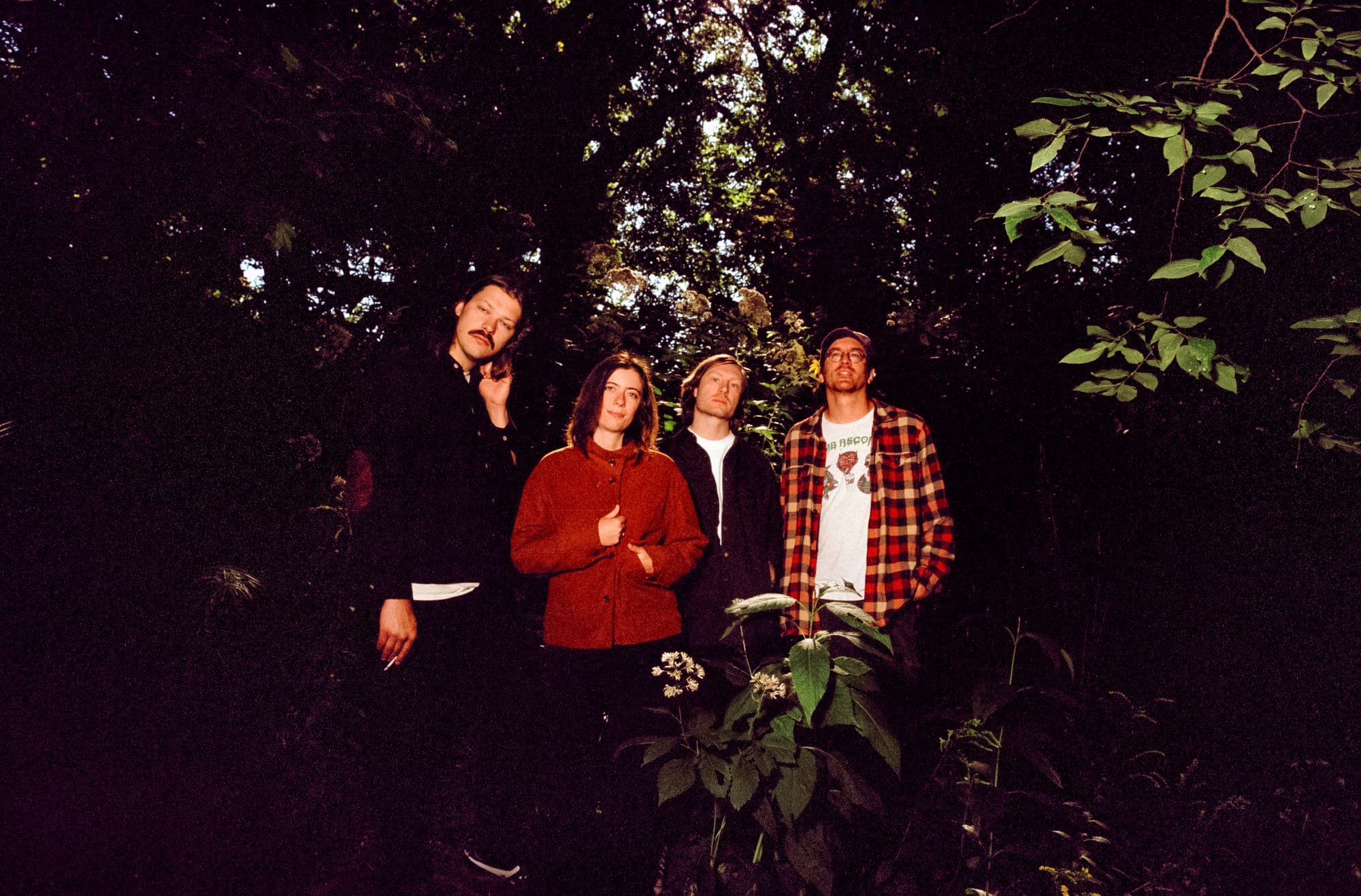
But this is 2026, and so, of course, AI comes up in conversation like a black hole, pulling us closer and closer to addressing its technological abyss.
As we were discussing Steiner’s lyrics on the band’s sixth album Singin’ to an Empty Chair (out this Friday), she brought up AI. “I’ve been thinking – I feel like this week especially – I’m thinking a lot about AI slop. Just the awful music made by computers and robots. It’s like my nightmare came to roost.” The three other band members nodded in agreement. “It’s so inhuman,” she adds, “and I just find myself really clinging to art that is, without a doubt, palpably human.” Bassist Sean Neumann sums it up: “AI doesn’t know grief at all. Not yet.”
Until AI finds a way to replicate their charm (unlikely), it’s a good thing we have the real, all-human Ratboys. Led by Steiner’s clear-eyed lyricism and the band’s endless capacity for catchy choruses, the group has steadily put out warm and endearing indie rock records since 2015’s AOID. But it was 2023’s The Window – produced by former Death Cab For Cutie guitarist and producer extraordinaire Chris Walla – that elevated the band to national recognition. After The Window was released to acclaim, the band had their first-ever US headlining tour, performed on national television, and opened for The Decemberists.
Despite The Window’s breakthrough success, Ratboys never felt any pressure when it came to making the follow up. “After everything that The Window brought, I was personally ready to go back into the lab and see what else we could cook up. And it was cool being with Chris again. I felt like we already had a rapport, and we already had a process. The possibilities were endless,” Nuccio says.
Neumann adds, “[We had] less nervous energy or anxiety about following up the record. More so it allowed us opportunity. We knew to an extent that some people will check it out because they’ve heard The Window. Knowing that, it helps to be able to create something bigger than we could before. There’s four or more songs that are like seven minutes on this record. We know that hopefully people are gonna give it a shot, so we can get a little bit more expansive and take a few more risks knowing that people are gonna be coming along for the ride.”
Singin’ to an Empty Chair isn’t just a worthy follow-up. It expands on everything that made The Window an obvious breakthrough: heartier choruses, longer songs, more gut-wrenching writing from Steiner. Contemporary indie rock is wall-to-wall packed with country-flecked bands, but few make music as honeyed and reliable as Ratboys.
The album’s title comes from a therapy exercise called “The Empty Chair,” where, in order to heal from a difficult relationship, an individual speaks aloud to an empty chair and imagines the ensuing conversation with that person. The album itself falls into this framework. Its songs are messages, reaching out to an estranged loved one to find peace and understanding. Steiner calls every album Ratboys makes “a true document of a time and place in our lives.” After going to therapy for the first time, she found writing the lyrics on Singin’ within the Empty Chair framework as “natural and honestly really cathartic.”
“I learned so much more about myself and how I feel and how I process change and anxiety,” she says. “Even just how to collaborate and be more open and confront challenging emotions and not repress them or be alone in those emotions. The process of making this record altogether as a group was really empowering for me on a personal level as well.”
If processing the grief of an estranged relationship feels incongruent with the album’s brightness, it’s not. “I think grief doesn’t have to be this miserable emotion all the time,” Steiner explains. “There’s moments of joy and moments of confusion and frustration and regret, and all of it. It’s such a multifaceted process to go through, grieving someone or something. And so I like to think this record reflects that. It doesn’t feel like an overachingly sad record to me, which I’m really proud of.” Her lyrical perspective imbues Singin’ to an Empty Chair with tenderness; even its most straightforward rock songs (“Know You Then,” “Anywhere”) feel grounded and heartfelt. “It’s just amazing how you can be productive sometimes and make something out of your grief. That’s pretty sweet.”
You can’t pull off a therapy-informed grief record if you don’t mean it or you’re not willing to back it up with hard-earned wisdom. Therapy-speak itself – a dismal trend in pop music that replaces genuine reflection with jargon like “trauma,” “codependency,” and “toxic” – is nowhere to be found on Singin’ to an Empty Chair. Instead, Steiner’s lyrics trace humble scenes, like graduations, Christmas Eve dinners, wandering around construction sites. If nothing else, Ratboys are incredibly sincere.
That sincerity, to me, feels deeply Midwestern. If Geese are figureheads for New York City rock and Wednesday and MJ Lenderman rep the American South, Ratboys are primed to represent Chicago (to that, Sagan says, “Hell yeah”). The band has been based in the Windy City since 2015, but, as their national profile rises, take their role as a Chicago band seriously.
“I think we’re all really proud to be associated with Chicago,” Steiner says. “I was actually just talking about this with our friend Sophia from the band Free Range the other day. They were saying how when you go to a show, as a fan and also a fellow musician and you take in a show with an open mind and an open heart, it often leaves you so inspired. And then you leave that show and go home and want to write your own song to match the feeling of how that particular band made you feel. And that’s one reason why they think Chicago is such a special place because people go to those shows and see bands and get inspired, rather than any sort of competition or clique-iness prohibiting you or leaving you from having those experiences. Like you let yourself enjoy music and then you go home and make music you enjoy for others to enjoy. And so it's special to be a part of that sort of cycle here in Chicago.”
“Chicagoans are very receptive and supportive like Julia is saying,” Sagan adds, “but that also leads to absorbing a lot of these influences. There’s 101 pedal steel players in Chicago or different circles of bands, like a hardcore circle or the country circle or the jazz circle. But they collide and come together more often here than anywhere else I’ve lived.”
There are no plans for Ratboys to pack up and move away from their beloved Chicago. “Maybe the moon,” Neumann suggests. For now, the group is planning their upcoming headlining tour – their first with a tour manager and front-of-house – and keeping their focus on real-human art. “To have any sort of ability to express this deeply complex human experience is a gift and something I’m grateful for,” Steiner says. “These AI overlords can’t take that away from us.”
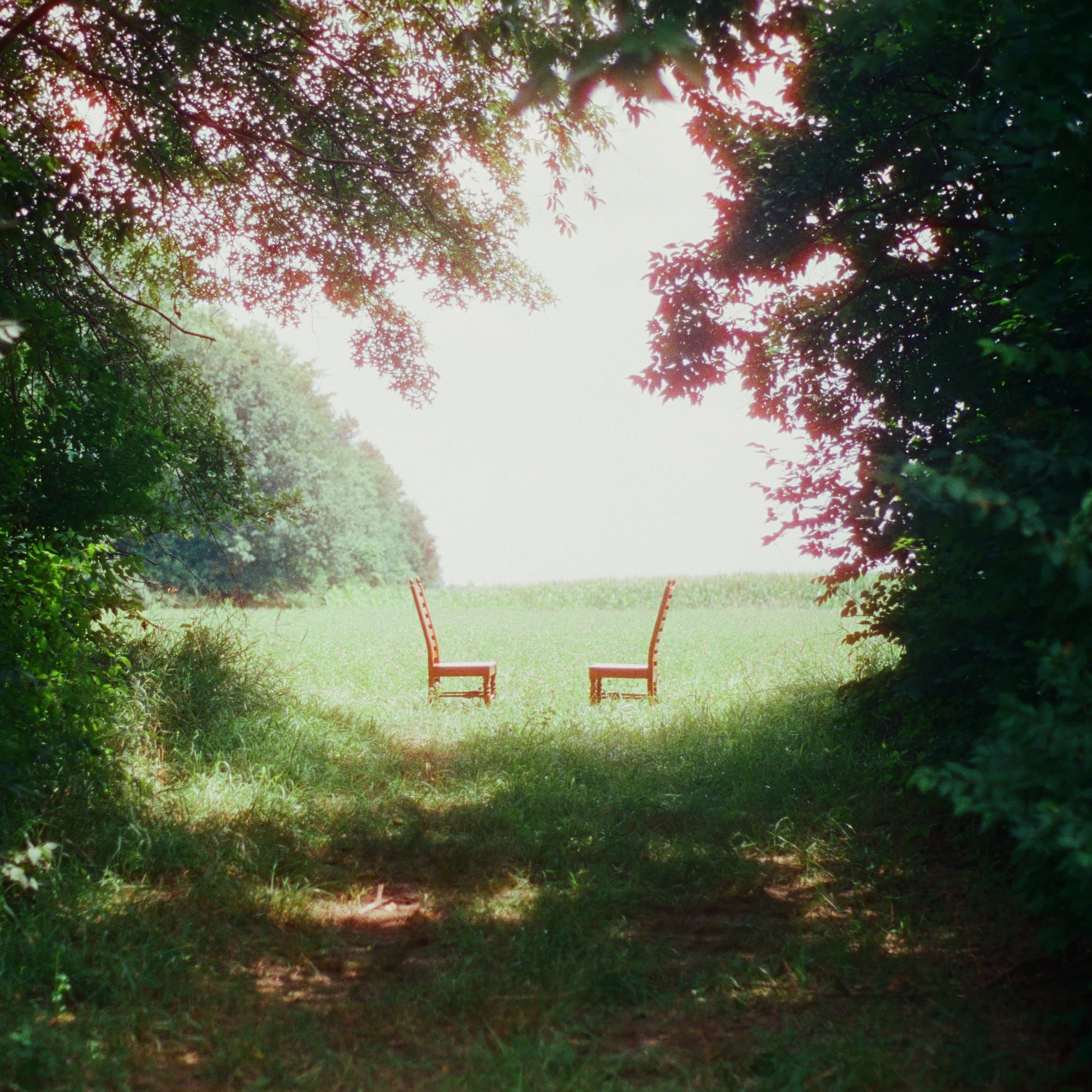
Singin’ to an Empty Chair is out February 6th. Pre-order here.
This interview has been edited for length and clarity.


What do you think?
Show comments / Leave a comment